







Search Results for: Anaerobic Natural Geisha
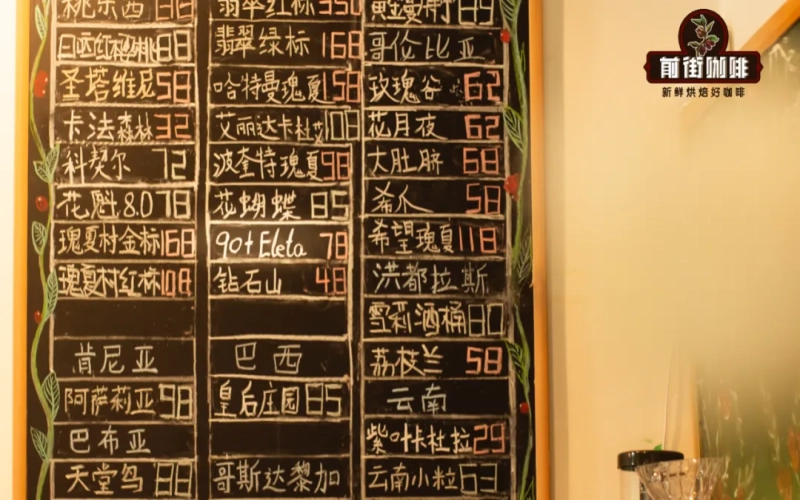
Panama Geisha Coffee Single Cup Price Analysis: An In-Depth Introduction to the Deborah Estate Savage Series Anaerobic Natural Processing
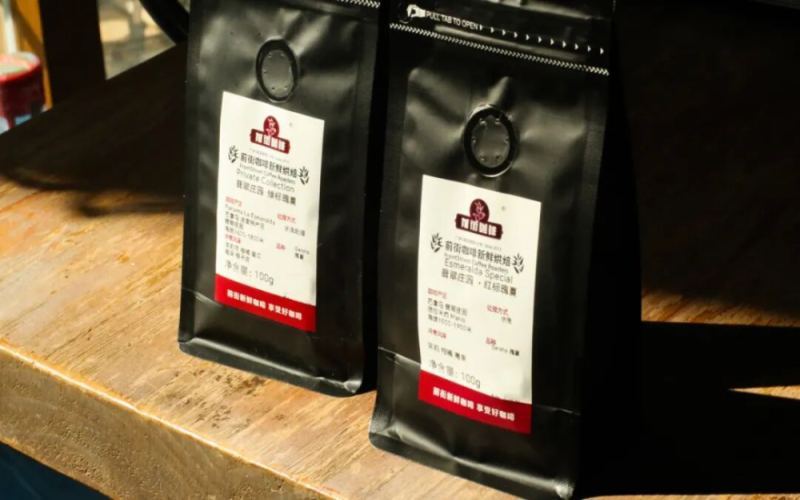
Panama Geisha has always been the darling of the specialty coffee world, and its price has remained high year after year. On Front Street Coffee's bean list, besides Hacienda La Esmeralda, there is also a Geisha from Finca Deborah's Savage series, processed using anaerobic natural fermentation, with a stunning flavor profile. Exactly how much does a cup of this Geisha cost? Why is it even more expensive than Esmeralda's Green Label? This article will guide you through the history of Geisha's spread from Ethiopia to Panama, analyze the impact of high-altitude cultivation on flavor, and provide a detailed interpretation of Finca Deborah's background and its anaerobic natural processing method, finally including Front Street's brewing recommendations, so you can fully understand the value of this high-priced Geisha. [more…]
Panama Deborah Estate Geisha Coffee Analysis: From Variety Origins to Anaerobic Natural Processing and Flavor Characteristics
Panama is renowned in the global specialty coffee scene for its Geisha coffee, and Finca Deborah is one of the high-end Geisha producers that has attracted much attention in recent years. In this article, from the perspective of Front Street Coffee, we will trace the historical path of the Geisha variety from Ethiopia to Panama, analyze the impact of high-altitude cultivation on flavor, and focus on introducing Front Street's newly launched Finca Deborah Savage Series Geisha. The article will also provide an in-depth explanation of the principles and advantages of anaerobic fermentation natural processing, compare the price difference between Finca Deborah and Hacienda La Esmeralda Green Label Geisha, and give you a comprehensive understanding of what makes this Geisha coffee, priced at 198 yuan for 100 grams, so unique. [more…]

Brewing Highlights of Colombia Finca La Divisa Sidra Coffee Beans: An Analysis of Double Anaerobic Natural Extraction Techniques
Front Street's Sidra coffee beans come from Finca El Diviso in Colombia, processed using the double anaerobic natural method, with intertwined flavors of grape, passion fruit, and apricot, and they have performed impressively in world competitions. However, many enthusiasts encounter a problem of bland taste and thin body when brewing, which is usually related to under-extraction. This article will focus on the characteristics of the double anaerobic natural process, analyze the reasons for the loose structure of Sidra beans, and explain step by step how to let this champion bean release a suitable and full-bodied flavor, from Front Street's grinding setting, water temperature, coffee-to-water ratio, to the three-stage pouring technique. [more…]
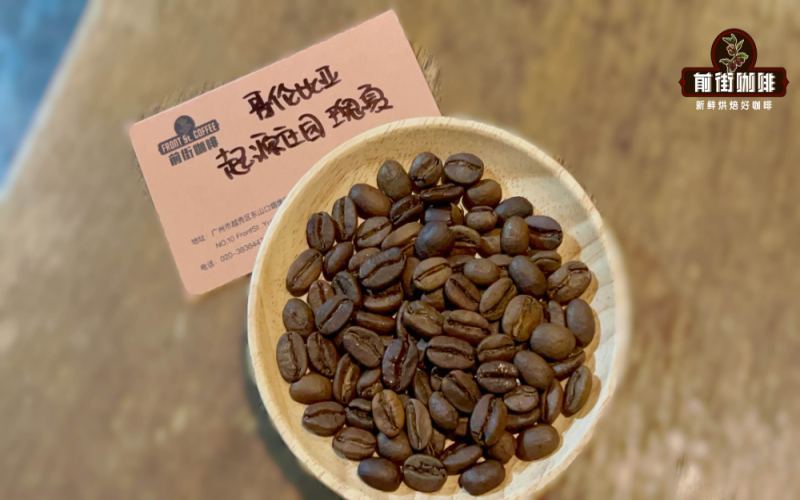
Colombia Origin Estate Anaerobic Natural Geisha Coffee: A Full Analysis of Regional Terroir, Variety Origins, and Pour-Over Parameters
After the Geisha variety rose to prominence in Panama, it was gradually introduced to several producing countries in Central and South America, and Colombia is one of the standout performers among them. This article focuses on an anaerobic natural Geisha from a farm of origin in Colombia's Huila region, sorting out the sources of its flavor one by one, from the growing environment of the region and the background of the estate to the history of the variety's spread and the anaerobic natural processing method. In cupping, this coffee presents a complex profile of berry gummy candy, blackcurrant, hibiscus, orange blossom, and lemon black tea, with a full mouthfeel. The article also provides Front Street Coffee's pour-over brewing recommendations, including coffee dose, ratio, water temperature, grind size, and a three-stage pouring scheme, for coffee enthusiasts' reference. [more…]
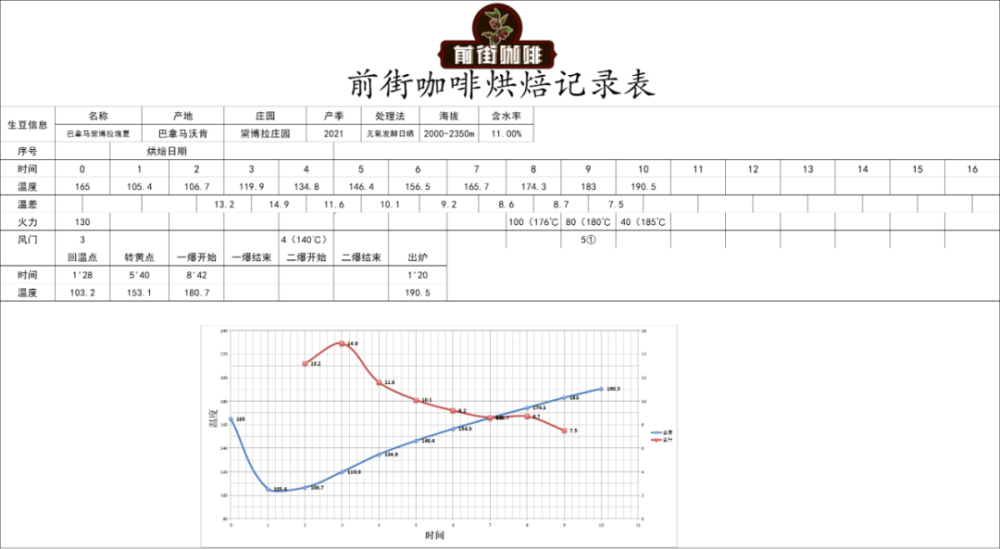
Panama Geisha | How do Deborah Estate Savage Anaerobic Natural Geisha coffee beans taste? Is Panamanian Geisha coffee very expensive?
Panama is famous for Geisha coffee, one of the most expensive coffees in the world. Currently, on Front Street Coffee's bean list, the coffees from the Panamanian region are basically all Geisha coffee. Besides the renowned Geisha coffee from Hacienda La Esmeralda, there is also the Savi from Finca Deborah. [more…]
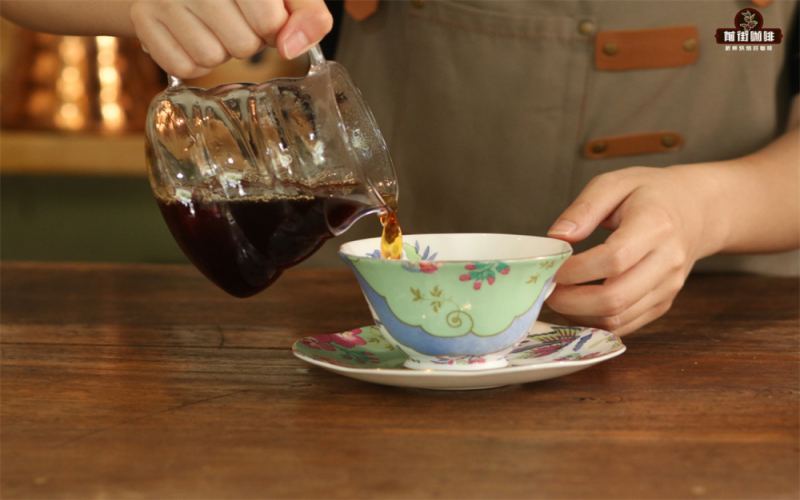
Panama Elida Estate Geisha Coffee: Flavor Analysis of the ASD Anaerobic Slow Dry Natural Process
Geisha coffee is widely recognized as the most noble variety in specialty coffee, and Panama's Elida Estate set a historic record of 94.15 points in the 2016 BOP competition with its exceptional Geisha beans. This article will guide you through the origins and flavor characteristics of Geisha, and provide an in-depth analysis of Elida Estate's ASD anaerobic slow-dry natural processing method—a technique pioneered by estate owner Mr. Wilford that, through sealed anaerobic fermentation and low-temperature slow drying, gives the coffee more pronounced floral notes and tropical fruit tones. Front Street Coffee will also share the specific brewing parameters and flavor profile of this Panama Elida Estate Geisha, making it a worthwhile read for every specialty coffee enthusiast. [more…]
How to brew Anaerobic Natural Geisha for a sweet, fragrant cup? Analyzing the key brewing points for Panama 90+ Estate Eleta and the reasons behind Ninety Plus's rise to fame
Anaerobic natural Geisha has an intense aroma and complex flavors, yet many coffee enthusiasts find it easy to end up with an extreme cup that is both bitter and sour when brewing. This article uses Eleta from Panama's 90+ estate as an example to explain why this bean adopts the anaerobic natural process, and how it differs from regular Geisha in density, drainage speed, and extraction efficiency. Front Street will combine brewing experience to share how to adjust grind size and water temperature for heavily fermented beans, so that sweetness notes like wine, longan, sweet orange, and pineapple come through more clearly, while also touching on why 90+ estate and Ninety Plus Geisha are so famous in the specialty coffee world. [more…]
Panama Deborah Geisha Tasting Guide: Anaerobic Natural Processing and Flavor Analysis of the Savage Series
Front Street Coffee presents the Panama Deborah Anaerobic Natural Geisha, from the Savage series in the Volcán region at an altitude of 2,000-2,350 meters, roasted at a medium level to reveal white florals, pineapple, and lactic acidity, with a full and balanced mouthfeel. This article will guide you through this Geisha's unique processing method—first sun-dried on raised beds until raisin-like, then sealed and fermented anaerobically for 36 hours, retaining all the fruit pulp; at the same time, we step into Deborah Estate's high-altitude microclimate and ecological farming philosophy, and analyze the quality pursuit of the Savage coffee project. At the end of the article, we include SCA-recommended pour-over parameters: 15g coffee, 90-93°C, 225ml water, a 1:15 coffee-to-water ratio, to help you fully unlock this Geisha's flavor potential. [more…]
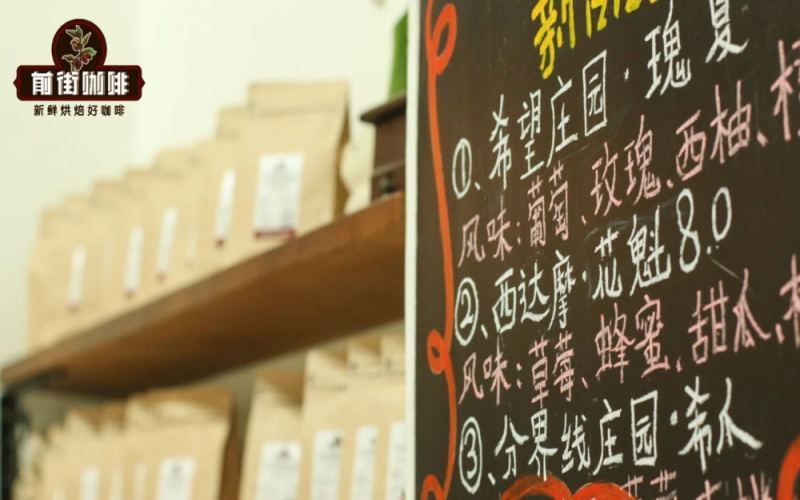
Flavor Analysis and Brewing Suggestions for Panama Ngu Farm Pressure Anaerobic Natural Geisha Coffee
Nuguo Estate is a micro Geisha estate hidden in a high-altitude volcanic jungle in the Volcán region of Panama, and its pressure anaerobic fermentation Geisha coffee once won the BOP championship. The estate owners, Jose and his wife, exercise strict control over the processing stages, personally overseeing everything from picking to drying, which gives the coffee a full-bodied berry juice feel and rich floral and fruity aromas. After Front Street Coffee received this batch of green beans from the 2021 harvest, it used a medium-light roast and a three-stage V60 brewing method, striving to showcase its sweet-tart flavor and layered complexity. This article will guide you through Nuguo Estate's natural environment, processing techniques, and Front Street's recommended brewing parameters. [more…]
How Does Geisha Coffee Taste? Flavor Analysis of Deborah Estate Anaerobic Fermentation Natural Geisha
Geisha coffee has attracted much attention ever since it won the Panama BOP competition in 2004, and its delicate floral aroma and citrus-honey sweetness have captivated countless enthusiasts. This article focuses on Front Street Panama Geisha, first introducing the terroir advantages of the two major producing regions, Boquete and Volcán, then focusing on the grade classification and flavor performance of Hacienda La Esmeralda Red Label Geisha, and finally providing an in-depth analysis of Finca Deborah's anaerobic fermentation natural process—from high-altitude low-temperature slow ripening to 36 hours of sealed fermentation, dissecting layer by layer why this Geisha can present extremely sweet fruit and floral notes. Whether you are trying it for the first time or are a seasoned enthusiast, you can find clear guidance here for getting started with Geisha. [more…]
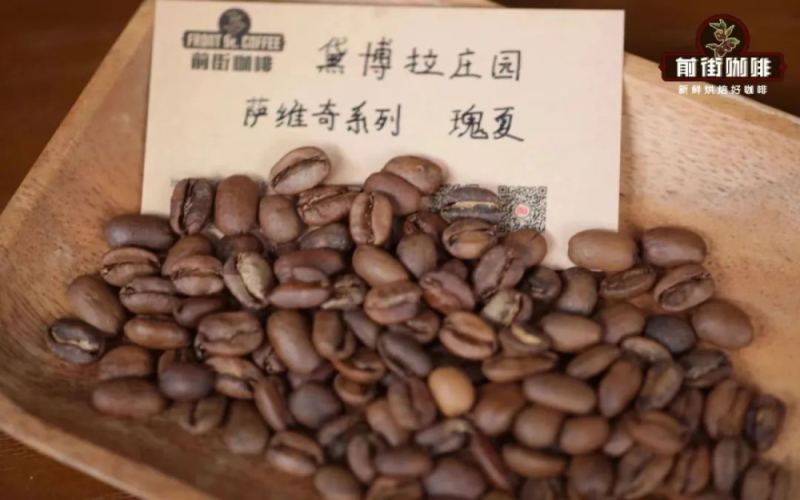
Anaerobic Fermentation Coffee Bean Flavor Analysis: A Complete Interpretation from Processing Principles to Practical Workflow
While classic methods like washed, natural, and honey processing are already widely known, emerging techniques such as anaerobic, enzyme-assisted, and carbonic maceration are appearing one after another, opening up new possibilities for coffee flavor. These processing methods often give coffee beans a distinctive flavor profile, sparking curiosity about the principles and operations behind them. This article focuses on the key step of anaerobia, explaining how it builds upon traditional processing methods and, through the action of microorganisms in an oxygen-deprived environment, converts sugars into lactic acid, acetic acid, and aromatic compounds such as esters and aldehydes, thereby creating special experiences like yogurt-like acidity. The article also combines tasting impressions of the Front Street Coffee Deborah Estate Savage Series Anaerobic Natural Geisha to guide you from theory to practice in fully understanding the characteristics and processing flow of anaerobically fermented coffee beans. [more…]
Exploring Panama Vocan Hartmann Estate: Flavor Code and Brewing Analysis of Anaerobic Natural Geisha
In Panama, beyond Boquete, the Volcán region is equally a treasure trove for specialty coffee. As a pioneering estate in this area, Hartmann Estate, with its volcanic soil and high-mountain microclimate, cultivates a highly distinctive Geisha flavor. This article will dissect the unique charm of this Hartmann Geisha layer by layer—from the terroir of the region, the estate's history, and variety characteristics to the anaerobic natural processing method—and include Front Street Coffee's complete brewing recipe and flavor tasting notes, taking you on a sensory feast of white florals interwoven with tropical fruits. [more…]
Flavor Analysis of Panama Elida Estate Geisha Coffee Beans: Tasting Review of the ASD Slow Anaerobic Natural Process
Geisha, once regarded as a windbreak tree, is now a brilliant star in the specialty coffee world. And the Geisha produced by Elida Estate in Panama, with its unique terroir and processing method, has become a top-tier existence second only to Hacienda La Esmeralda. This article will provide an in-depth analysis of this Geisha coffee bean processed using ASD slow anaerobic natural method, taking you from the estate's history and growing environment to its flavor performance, allowing you to appreciate its intense jasmine aroma, fresh lemon and pomelo sweetness, and lactic acid-like soft acidity. At the same time, Front Street Coffee, as a specialized roastery, also shares the tasting details and brewing experience of this bean, and continues to offer promotional activities so that more enthusiasts can taste high-quality coffee. [more…]
Panama Elida ASD Anaerobic Low-Temperature Slow Natural Geisha: Four Pour-Over Brewer Methods and Flavor Comparison
Front Street recently acquired a Geisha coffee bean from Elida Estate in Panama, processed using the NATURAL-ASD anaerobic fermentation low-temperature slow sun-drying method—the same process used for this year's Panama BOP champion Geisha in the processing category. After the beans were properly rested, we tested brewing with a hollow filter cup, Ice Eye filter cup, cake filter cup, and diamond filter cup, standardizing the parameters to 15 grams of coffee, medium-fine grind, 90°C water temperature, and a 1:15 coffee-to-water ratio, recording the extraction time and flavor performance for each filter cup. Elida Estate is renowned for its sun-dried processing, and this ASD Geisha shines in fermentation aroma, juicy mouthfeel, and layered tea-like notes. Below, we share four specific brewing recipes and comparison results for coffee enthusiasts' reference. [more…]
A Detailed Guide to Colombian Specialty Coffee Varieties, Regions, and Processing Methods, Plus Front Street Coffee's Recommended Bean List
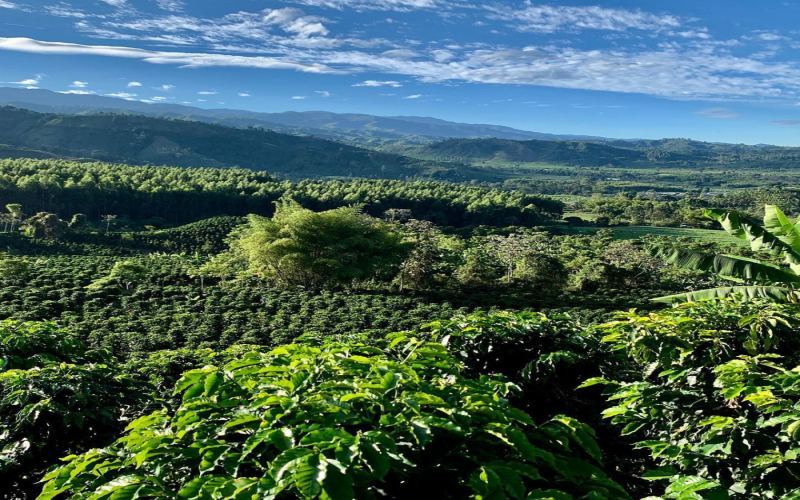
Colombia, with its low latitude, high altitude, and diverse terrain, has become an important origin for specialty coffee worldwide. Front Street Coffee currently offers seven Colombian single-origin beans, covering Rose Valley, Flower Moon Night, Big Belly Button, Sidra, Hacienda La Esperanza Geisha, decaf beans, and Huila everyday beans. This article will systematically review the characteristics of Colombia's main cultivated varieties—Caturra, Castillo, Pink Bourbon, and Geisha—analyze the terroir conditions of specialty regions such as Huila, Cauca, Nariño, and Tolima, and introduce processing methods including washed, semi-washed, anaerobic natural, and anaerobic enzyme-washed. Finally, it will include Front Street's roasting curves, cupping flavors, and brewing parameter recommendations for each bean. [more…]

Complete Guide to Panama Elida Estate Geisha Coffee: From Variety Origins to ASD Processing and Flavor Profile
Geisha coffee is widely recognized as the noblest variety in specialty coffee, and Panama's Elida Estate set a historic record at the 2016 Best of Panama auction with a score of 94.15. From the perspective of Front Street Coffee, this article systematically reviews the origins and flavor characteristics of the Geisha variety, with a focus on the growing conditions at Elida Estate in the Boquete region of Panama, the ASD anaerobic slow-dry processing method, and the specific brewing parameters and flavor descriptions for both the washed and anaerobic natural Geisha, giving you a comprehensive understanding of the story and tasting points behind this legendary coffee bean. [more…]
Front Street Coffee Explains Finca El Burro Anaerobic Slow Dry: How the ASD Process Shapes Ultimate Flavor
Front Street Coffee takes you on an in-depth look at Hacienda La Esmeralda's anaerobic slow natural process. In 2019, the estate's natural coffee set a new record with 95.25 points, and its washed lot also scored 95 points, both reaching new highs. The Lamastus family uses an anaerobic slow-dry technique, fermenting the coffee beans in oxygen-free tanks for five days, then drying them slowly over five weeks, resulting in intense wine aromas and cocoa notes in the cup. This article not only reviews the details of this breakthrough processing method, but also analyzes its flavor impact on coffees of different altitudes and varieties, especially how Geisha retains its clean and elegant character at high altitudes. [more…]

Exploring Panama Nugu Estate Geisha Coffee: A Full Analysis of Pressure Anaerobic Fermentation and Flavor
On the map of Panamanian specialty coffee, the Volcán region is attracting more and more attention with its unique terroir charm. Nugu Estate, a micro Geisha farm nestled in the Jurutungo Valley, cultivates coffee beans that are rich yet refined in flavor, thanks to its high-altitude microclimate and innovative pressure anaerobic fermentation process. This article will take you into Nugu Estate, exploring its family background, the legendary history of the Geisha variety, as well as the details of pressure anaerobic fermentation and Front Street Coffee's roasting and brewing recommendations, so you can experience the allure of this limited-edition Geisha. [more…]
Panama Deborah Estate Geisha Coffee and the Savage Project: An Analysis of High-Altitude Terroir and Anaerobic Natural Processing
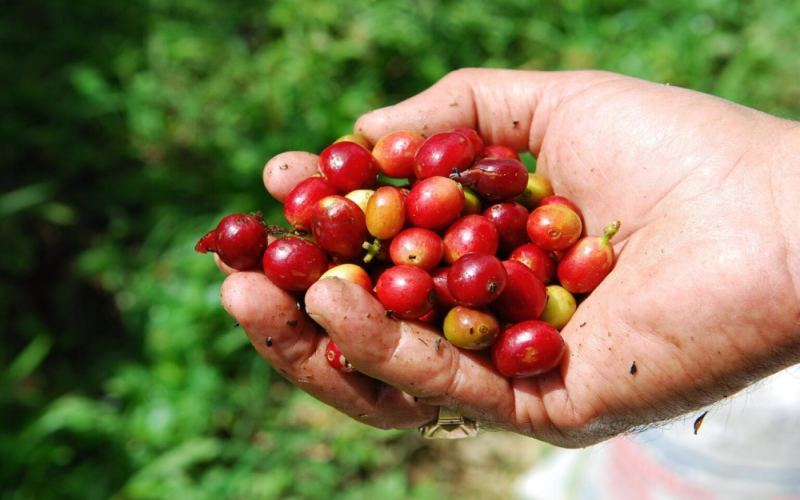
Panama Geisha has always been a shining star in the specialty coffee world. From Hacienda La Esmeralda's rise to fame to today's flourishing of estates, enthusiasts have always been in pursuit of more refined flavors. Among the many renowned estates, Finca Deborah, with its altitude of over 1,900 meters, unique microclimate, and owner Jamison Savage's extreme exploration of processing methods, has become a rising star that has drawn much attention in recent years. The coffee project initiated by Savage brings together fully ripe red cherries from small estates in the Boquete and Volcán regions, endowing Geisha with sweeter fruit and floral notes through anaerobic natural processing. Front Street Coffee has selected the Savage series Geisha, using a light roast to preserve its delicate sweetness and acidity, and provides V60 brewing parameter references. This article will comprehensively cover the history of Geisha's spread, the terroir advantages of Finca Deborah, and the key details of this coffee from cultivation to cup. [more…]
A Complete Analysis of Colombian Coffee Regions, Flavors, and Varieties: From Huila and Cauca to Front Street Brewing Methods
Colombia, with its diverse landscapes of low latitude and high altitude, has become an important producing country for specialty coffee. This article systematically reviews the characteristics of the country's main cultivated varieties such as Caturra, Castillo, Pink Bourbon, and Geisha, explains in detail the terroir differences of southern specialty regions such as Huila, Cauca, Nariño, and Tolima, and introduces how processing methods such as washed, semi-washed, anaerobic natural, and anaerobic enzyme-washed shape flavor. The seven Colombian beans offered by Front Street Coffee include Rose Valley, Flower Moon Night, and everyday beans, and the article also provides roasting curves, cupping performance, and V60 three-pour brewing parameters, offering coffee enthusiasts a complete reference from understanding producing regions to practical brewing. [more…]